 > News > The extensive interview of Studio Mev

NEWS
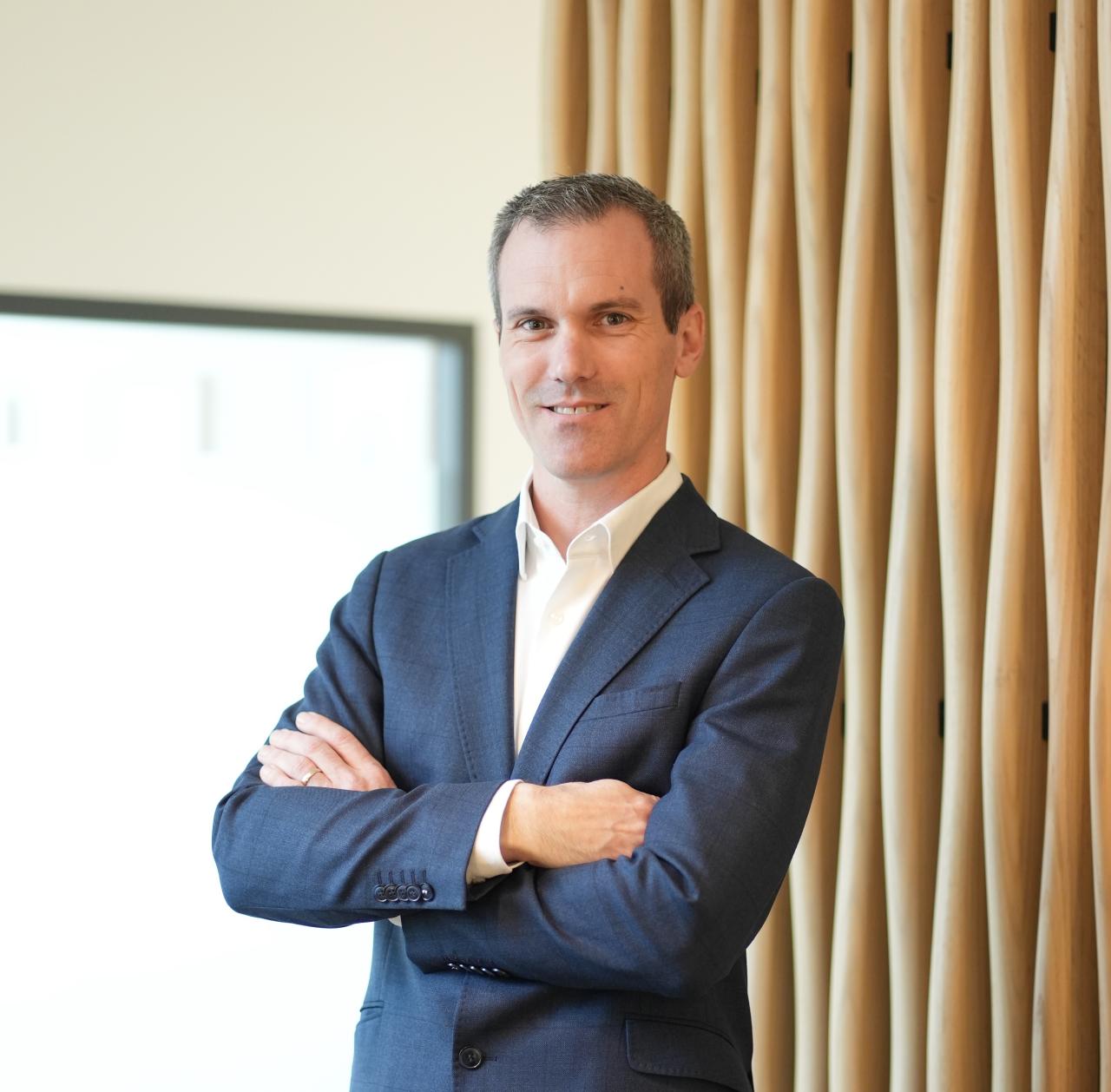
Extensive interview with Giuseppe Urro, administrator of Studio MEV SA

In the fast-paced commercial landscape, adaptability and innovation are more critical than ever. Studio MEV SA, specializing in the management and optimization of commercial real estate assets, plays a pivotal role in this environment by reimagining commercial spaces. We spoke to Giuseppe Urro, Administrator at Studio MEV SA, about their approach.
What role do you play in the revitalization of the Tourelle shopping centre?
Giuseppe Urro: My primary responsibility was to develop the enhancement concept for the Tourelle Centre, aiming to rejuvenate its commercial spaces and the flow of movement both inside and outside the centre.
Can you elaborate on this role?
The Tourelle shopping centre had been under commercial reassessment for years. Previous plans focused on linking staircases without significantly affecting tenant activities or visitor flow.
Our new strategy accounted for the habits and demographics of the nearby residents, aiming to invigorate both the commercial activities and their physical flow, alongside introducing a fresh architectural and signage design.
Could you provide an example of these innovations?
One pioneering idea was to utilize the rooftop spaces, particularly above restaurants, to create community gardens. These could serve as gathering spots for local schools, neighborhood groups, and residents, fostering community interaction.
However, this proposal encountered regulatory hurdles, needing special permissions due to alterations to the building's "fifth facade." We're still exploring this avenue, although it has delayed implementation.
Does your strategy extend beyond the interior of the building?
It's vital to recognize that a shopping centre's life extends beyond its interior. My role also encompasses reorganizing external commercial activities to enhance their effectiveness.
This included spatial reorganization allowing certain businesses to impact beyond regular centre hours. For instance, merging the kiosk with the tea room enabled Sunday openings. Relocating the kebab stand allowed it to offer an outside terrace, extending its availability beyond standard hours.
And inside the centre?
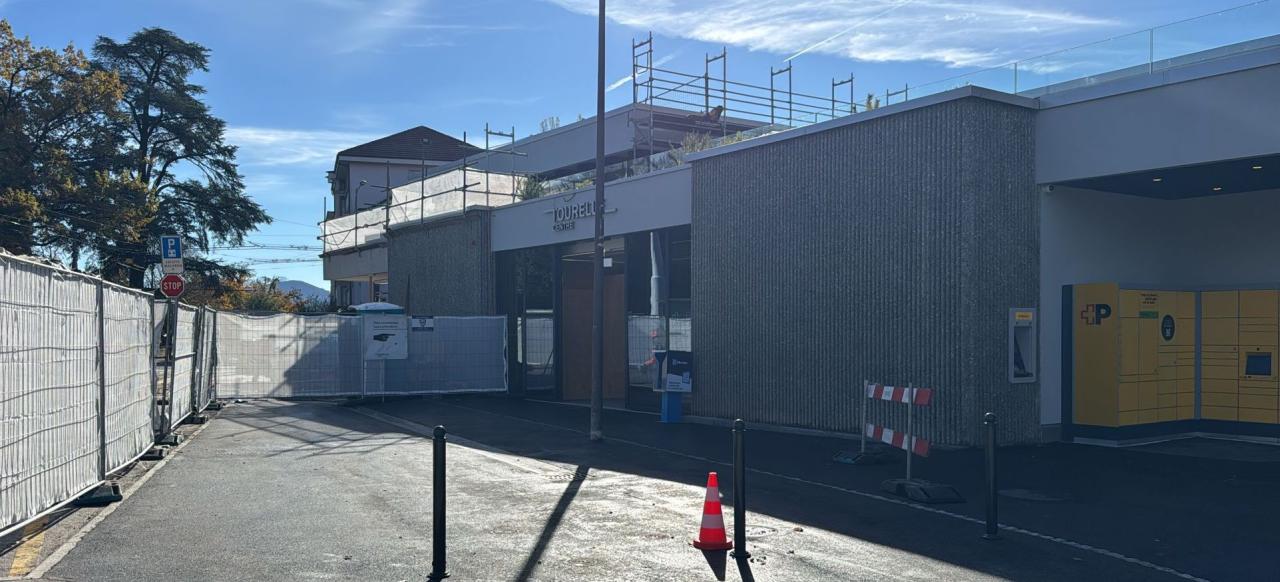
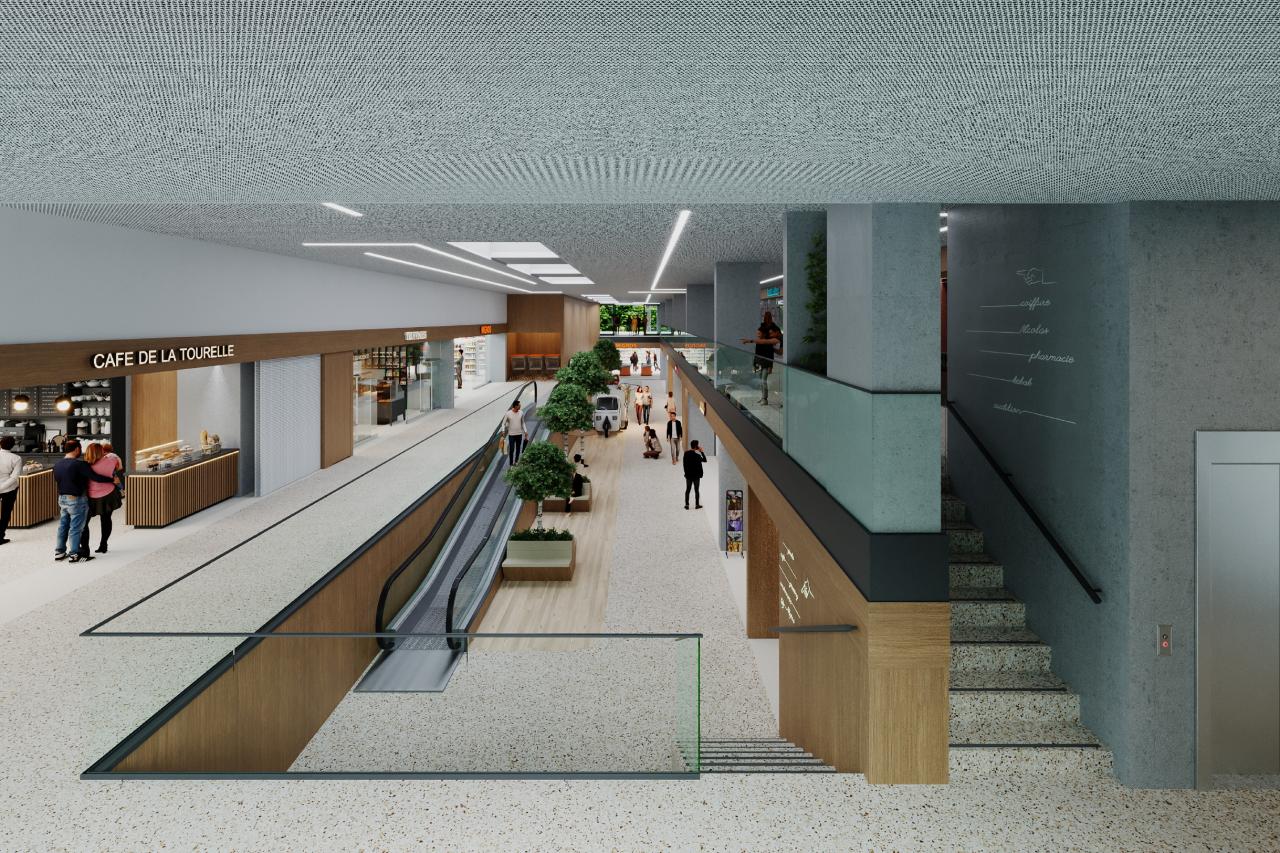
Historically, the lower ground floor was less frequented. We've taken steps to invigorate this area by relocating essential services like the post office there, drawing more visitors.
Incorporating Migros and a cobbler created a synergy, encouraging foot traffic to this undervalued area and rebalancing activity and visitor distribution throughout the centre.
So, you're fully utilizing the available space?
Precisely. Our aim is to intelligently use every square metre. Placing the pharmacy strategically at the centre's end forces visitors to pass by other stores, leveraging "flow motivation" as a strategy.
How have you addressed mobility within the centre?
We preferred moving walkways over escalators for safety reasons and to accommodate shopping carts, especially since the Migros checkouts are now on the lower ground floor.
What about tenant changes?
Most tenants remain the same, though we've integrated the kiosk into the tea room and introduced a new dining option, La Goudale brewery, offering beers and burgers.
With the commencement of the works, how do you feel?
I'm very pleased, especially as several tenants have committed to long-term leases of 20 to 35 years, showcasing their confidence in our project's vision.
What role do you play in the revitalization of the Tourelle shopping centre?
Giuseppe Urro: My primary responsibility was to develop the enhancement concept for the Tourelle Centre, aiming to rejuvenate its commercial spaces and the flow of movement both inside and outside the centre.
Can you elaborate on this role?
The Tourelle shopping centre had been under commercial reassessment for years. Previous plans focused on linking staircases without significantly affecting tenant activities or visitor flow.
Our new strategy accounted for the habits and demographics of the nearby residents, aiming to invigorate both the commercial activities and their physical flow, alongside introducing a fresh architectural and signage design.
Could you provide an example of these innovations?
One pioneering idea was to utilize the rooftop spaces, particularly above restaurants, to create community gardens. These could serve as gathering spots for local schools, neighborhood groups, and residents, fostering community interaction.
However, this proposal encountered regulatory hurdles, needing special permissions due to alterations to the building's "fifth facade." We're still exploring this avenue, although it has delayed implementation.
Does your strategy extend beyond the interior of the building?
It's vital to recognize that a shopping centre's life extends beyond its interior. My role also encompasses reorganizing external commercial activities to enhance their effectiveness.
This included spatial reorganization allowing certain businesses to impact beyond regular centre hours. For instance, merging the kiosk with the tea room enabled Sunday openings. Relocating the kebab stand allowed it to offer an outside terrace, extending its availability beyond standard hours.
And inside the centre?
Historically, the lower ground floor was less frequented. We've taken steps to invigorate this area by relocating essential services like the post office there, drawing more visitors.
Incorporating Migros and a cobbler created a synergy, encouraging foot traffic to this undervalued area and rebalancing activity and visitor distribution throughout the centre.
So, you're fully utilizing the available space?
Precisely. Our aim is to intelligently use every square metre. Placing the pharmacy strategically at the centre's end forces visitors to pass by other stores, leveraging "flow motivation" as a strategy.
How have you addressed mobility within the centre?
We preferred moving walkways over escalators for safety reasons and to accommodate shopping carts, especially since the Migros checkouts are now on the lower ground floor.
What about tenant changes?
Most tenants remain the same, though we've integrated the kiosk into the tea room and introduced a new dining option, La Goudale brewery, offering beers and burgers.
With the commencement of the works, how do you feel?
I'm very pleased, especially as several tenants have committed to long-term leases of 20 to 35 years, showcasing their confidence in our project's vision.

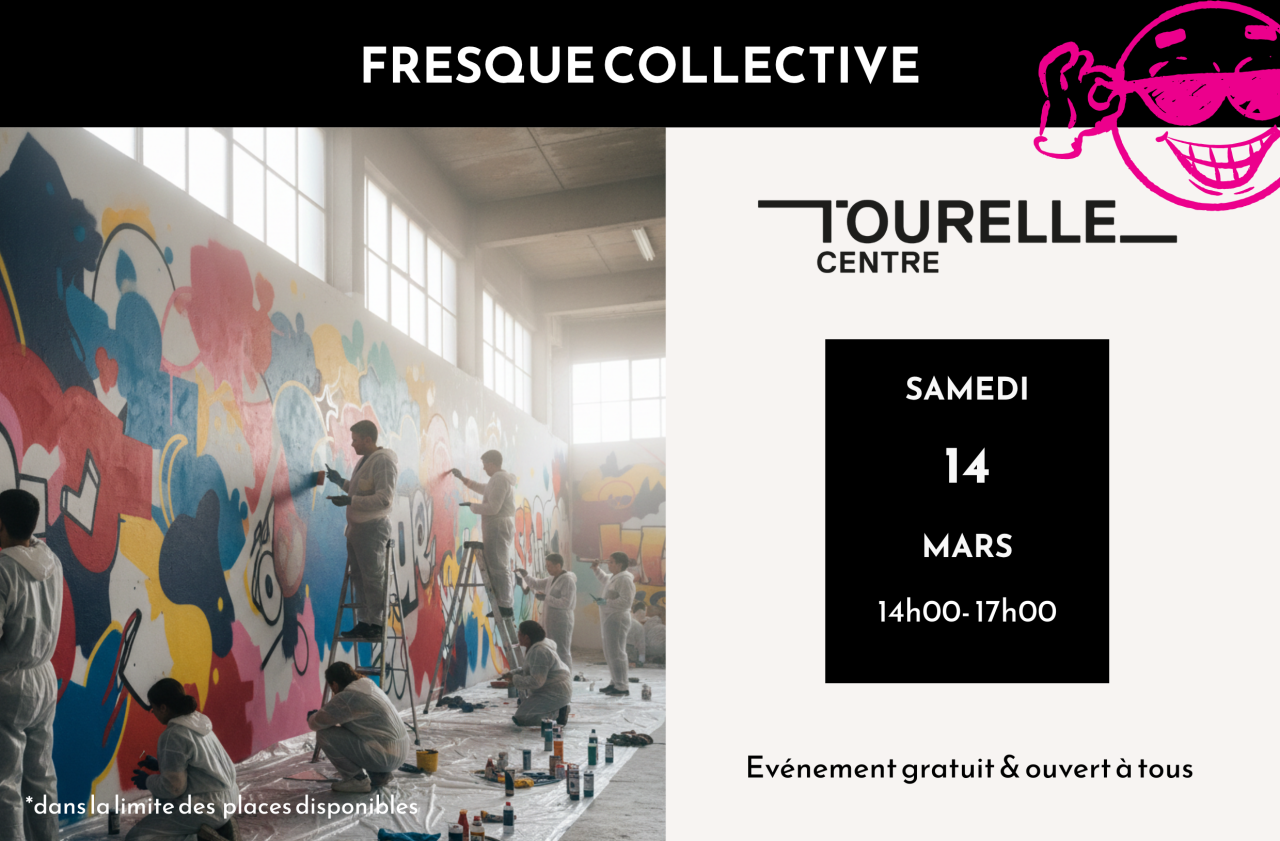
 Collective artwork